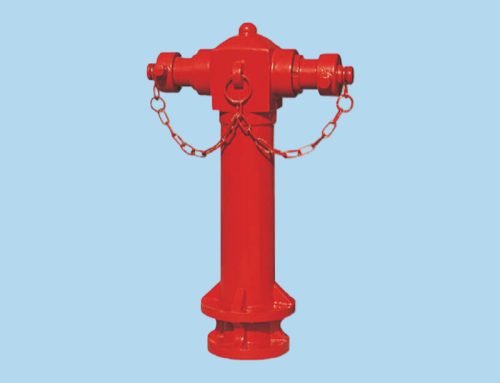
To appreciate the function of an indoor fire hydrant, one must understand its key components. At its heart is the standpipe—a vertical steel pipe running the height of the building, often within fire-rated stair enclosures for protection. Branch lines extend from this riser to supply outlets on each floor.
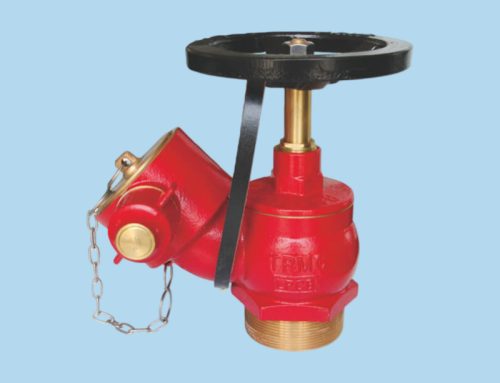
The most visible element is the fire hose cabinet. This cabinet houses the essential tools for manual firefighting. Inside, you will find the hose valve (a gate or ball valve), which controls water flow from the standpipe. Connected to this is the fire hose, typically a lightweight, durable fabric hose (like rubber-lined linen) in lengths of 30 to 100 feet, stored folded or on a reel. The hose ends with a nozzle, which allows the operator to control the water stream from a solid jet to a fog pattern.
Crucial supporting components are often behind the scenes. A fire department connection (FDC), located on the building’s exterior, allows firefighters to pump additional water and pressure into the standpipe system using their pumper trucks. Pressure-reducing valves may be installed in tall buildings to prevent excessive pressure at lower floors. Automatic air vents and drain valves are also part of a well-designed system. Finally, a reliable water supply, from a dedicated tank, a city main, or pumps, is the system’s lifeblood. Each component, from the largest pump to the simplest hose gasket, must be in working order to ensure that when the valve is opened, water is delivered with sufficient force to combat flames effectively.