A fire hydrant, also known as a fire plug, is an essential piece of municipal fire safety infrastructure installed in residential, commercial, and industrial areas worldwide. Connected directly to underground municipal water mains, fire hydrants provide instant, high-pressure water access for firefighters during fire emergencies. As a core component of urban fire suppression systems, a fully functional fire hydrant significantly reduces fire spread risks, minimizes property damage, and protects public safety. Understanding fire hydrant types, working principles, standard color coding, and maintenance requirements is critical for property managers, construction teams, and local safety authorities.
Fire hydrants are primarily divided into two mainstream types: wet barrel fire hydrants and dry barrel fire hydrants, designed to adapt to different climatic and environmental conditions. Wet barrel fire hydrants are the most common design in warm and temperate regions with no severe freezing weather. Their internal pipes are always filled with water, enabling immediate water discharge once firefighters connect hoses and open the valve. Featuring simple structures, fast response speeds, and low maintenance costs, they are widely used in cities, parks, and residential communities.
Dry barrel fire hydrants, by contrast, are engineered for cold climates where freezing temperatures are common. The main barrel remains empty of water under normal conditions to prevent pipe cracking and equipment damage caused by frozen water. Water only flows into the hydrant when the underground main valve is opened during emergencies. Though structurally more complex, dry barrel hydrants ensure stable operation in freezing environments, making them indispensable for northern high-latitude regions and high-altitude areas.
Beyond structural classification, industry-standard fire hydrant color coding serves as a vital visual guide for firefighters, complying with NFPA (National Fire Protection Association) regulations. Different colors indicate distinct water flow rates, allowing emergency teams to quickly evaluate water supply capacity without testing. Red hydrants deliver a flow rate below 500 gallons per minute (GPM), suitable for small-scale fire emergencies. Orange hydrants offer 500 to 999 GPM, ideal for ordinary residential and commercial building fires. Green hydrants provide 1000 to 1499 GPM for medium-risk fire scenarios, while blue hydrants support over 1500 GPM, reserved for high-risk industrial zones and large commercial complexes.
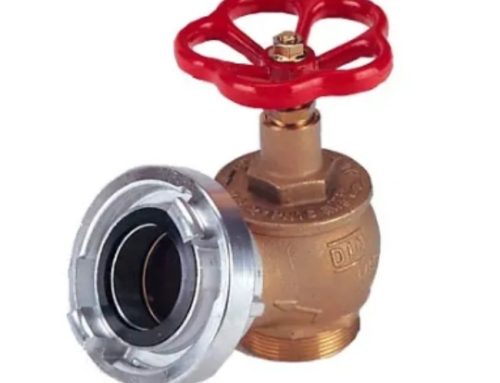
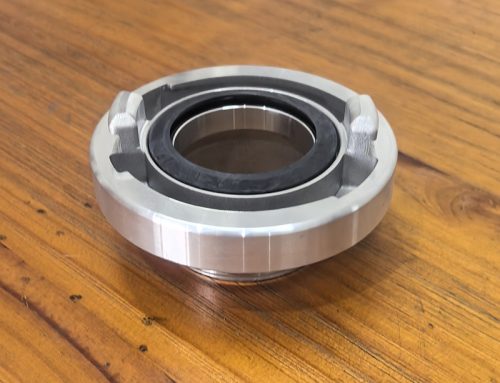
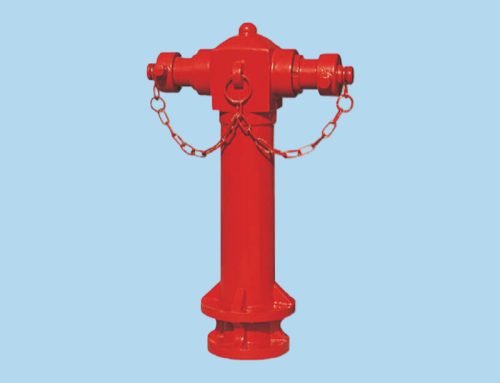
The core function of a fire hydrant is to provide consistent, high-pressure, high-volume water supply for on-site fire suppression, making it irreplaceable in urban fire safety systems. Unlike temporary water sources, fire hydrants are permanently connected to municipal water mains, delivering stable water flow even during large, intense fires. A standard fire hydrant assembly comprises four core components: underground pipe connectors, internal control valves, a durable main barrel, and multi-size outlet nozzles. The central large nozzle pairs with fire truck pumps for massive water output to contain major fires, while smaller side nozzles allow firefighters to connect handheld hoses for flexible, targeted fire control, adapting to various emergency scenarios.
Routine inspection and professional maintenance are critical to ensuring fire hydrants function reliably during emergencies. Most fire hydrant malfunctions result from long-term poor upkeep, including rusted internal valves, clogged nozzles, corroded structures, and blocked access zones. Basic daily maintenance includes surface cleaning, rust treatment, and regular repainting to resist outdoor corrosion and aging. Quarterly operational testing is mandatory to verify valve flexibility, water pressure stability, and nozzle tightness. For cold regions, seasonal maintenance for dry barrel fire hydrants is essential: complete residual water drainage prevents freezing, cracking, and permanent equipment damage in low temperatures.
Strict compliance with fire hydrant usage and safety regulations is vital to preserve public fire protection capabilities. It is illegal and hazardous to park vehicles, stack debris, or place any obstacles around fire hydrants, as unobstructed access ensures rapid emergency deployment. Moreover, unauthorized disassembly, modification, or private water extraction from fire hydrants violates public safety codes. Such improper usage can damage hydrant structures, disrupt municipal water pressure, and severely hinder firefighting operations during crises.
To sum up, fire hydrants are fundamental infrastructure for community and municipal fire safety. With tailored types for different climates, standardized NFPA color coding for quick emergency reference, and robust structural design, modern fire hydrant systems deliver reliable fire suppression support. Proper hydrant selection based on local weather conditions, systematic routine maintenance, and strict safety management can extend equipment lifespan and maximize emergency response efficiency. For residential communities, commercial facilities, and municipal construction projects, prioritizing fire hydrant maintenance and compliance is key to building a secure, fire-resistant urban environment.