An indoor fire hydrant system is only as good as its state of repair. A lapse in maintenance can render the entire system useless in an emergency, with potentially tragic consequences. Therefore, a rigorous, scheduled inspection and maintenance program is a legal and ethical imperative for building owners and facility managers.
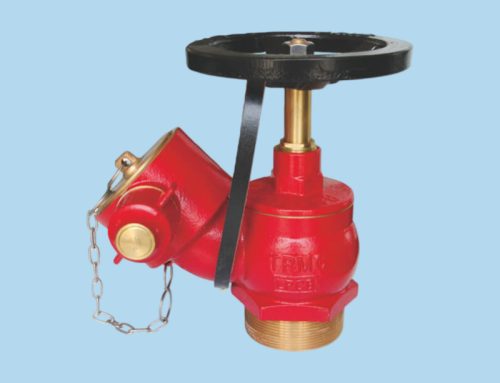
Inspections should be conducted monthly and annually by qualified personnel. Monthly checks are visual and operational: ensuring hose cabinets are unobstructed, unlocked, and clearly labeled; verifying that hoses, nozzles, and valves are present and appear undamaged; and checking for signs of leakage or corrosion. Annually, a more thorough test is required. This involves a hydrostatic test to check pipe integrity, flow tests to ensure adequate pressure and volume at the most remote outlet, and a full operational test of all valves and pumps. Hoses must be unpacked, inspected for deterioration, and re-rolled correctly to prevent kinks.
Pumps, alarms, and the Fire Department Connection (FDC) must also be tested. All findings must be meticulously documented in a logbook. This routine is not merely bureaucratic; it is a proactive process that identifies minor issues—a leaking gasket, a slightly corroded valve, a pinched hose—before they become major failures. In fire protection, complacency is the enemy. Consistent, diligent maintenance is the practice that ensures the red cabinet on the wall lives up to its life-saving promise when every second counts.