No Municipal Water? Rural & Industrial Fire Hydrant Alternatives
In areas without pressurized municipal water mains, the fire hydrant’s function is fulfilled by ingenious alternative systems designed to provide rapid water access for fire apparatus. These are critical for rural community and industrial site protection.
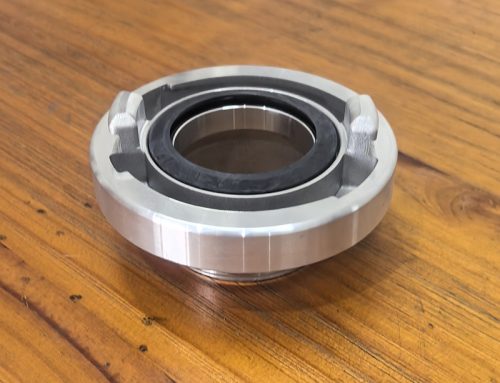
The most common rural solution is the Dry Hydrant. This is not a hydrant in the urban sense, but a permanently installed pipe system that extends into a static water source like a pond, lake, or large tank. The pipe has a strainer underwater and a quick-connect “hard suction” fitting (often a National Standard Thread) on land, located in a protective housing or marked post. Fire tanker trucks arrive, connect their suction hose, and pump directly from the source. Properly engineered dry hydrants provide the high flow rates needed to replenish tankers in a “shuttle” operation, forming a continuous water supply to the fire.
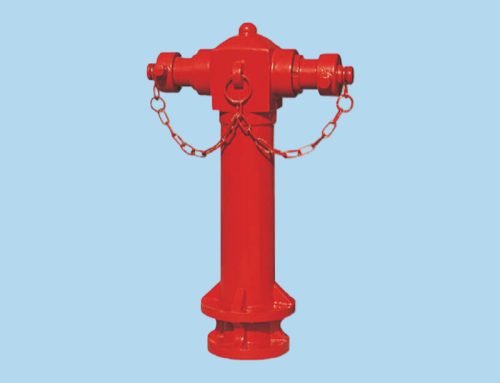
Industrial facilities, airports, and military bases use Private Fire Hydrant networks. These are fed by dedicated, on-site fire pumps drawing from massive storage tanks or wells. These hydrants are identical to public ones but are maintained by the facility. They must deliver extremely high flows for complex hazards, such as refinery fires or aircraft crash rescue.
Another alternative is the “Flush” Hydrant or “Underground” Hydrant, where the valve is below ground in a pit, accessed via a key tool. Common in Europe and some rural US areas, it’s less susceptible to vehicle damage.
For smaller-scale needs, Standpipe Systems inside large buildings serve a similar internal access function. In remote wildland-urban interface areas, large water storage cisterns with designated fill ports act as pre-positioned resources.
The engineering principles remain consistent: provide a standardized, reliable, and high-volume connection point between the fire apparatus and a water source. Whether drawing from a farm pond via a dry hydrant or a million-gallon industrial tank, these systems ensure that the essential tactic of a sustained water attack can be deployed anywhere, proving that necessity is the mother of all hydraulic invention.