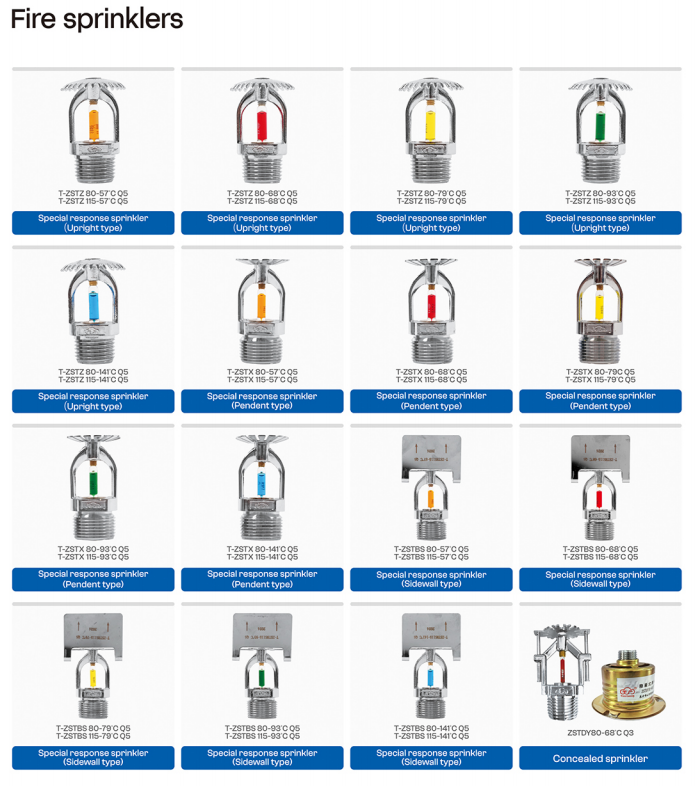
We see them on ceilings everywhere, but few understand the elegant simplicity of a fire sprinkler. Contrary to movie scenes, they don’t all go off at once. Each sprinkler head is an independent firefighter. The key component is a glass bulb or fusible link, holding back water under pressure. This bulb contains a colored liquid that expands when heated to a specific temperature (typically 135-165°F/57-74°C). When a fire’s heat reaches that threshold, the bulb shatters or the link melts, opening the valve. Water then discharges in a carefully engineered pattern to douse the flames directly below. This targeted response contains 90% of fires with just one or two sprinklers, minimizing water damage while saving lives. It’s a masterpiece of passive engineering—silent, always on guard, and activated only by the direct threat of heat.